
Why Ball Striking Matters
Quality iron play starts with centered contact. Even a small miss toward the heel or toe can reduce carry distance, change ball flight, and make club selection harder on the course.
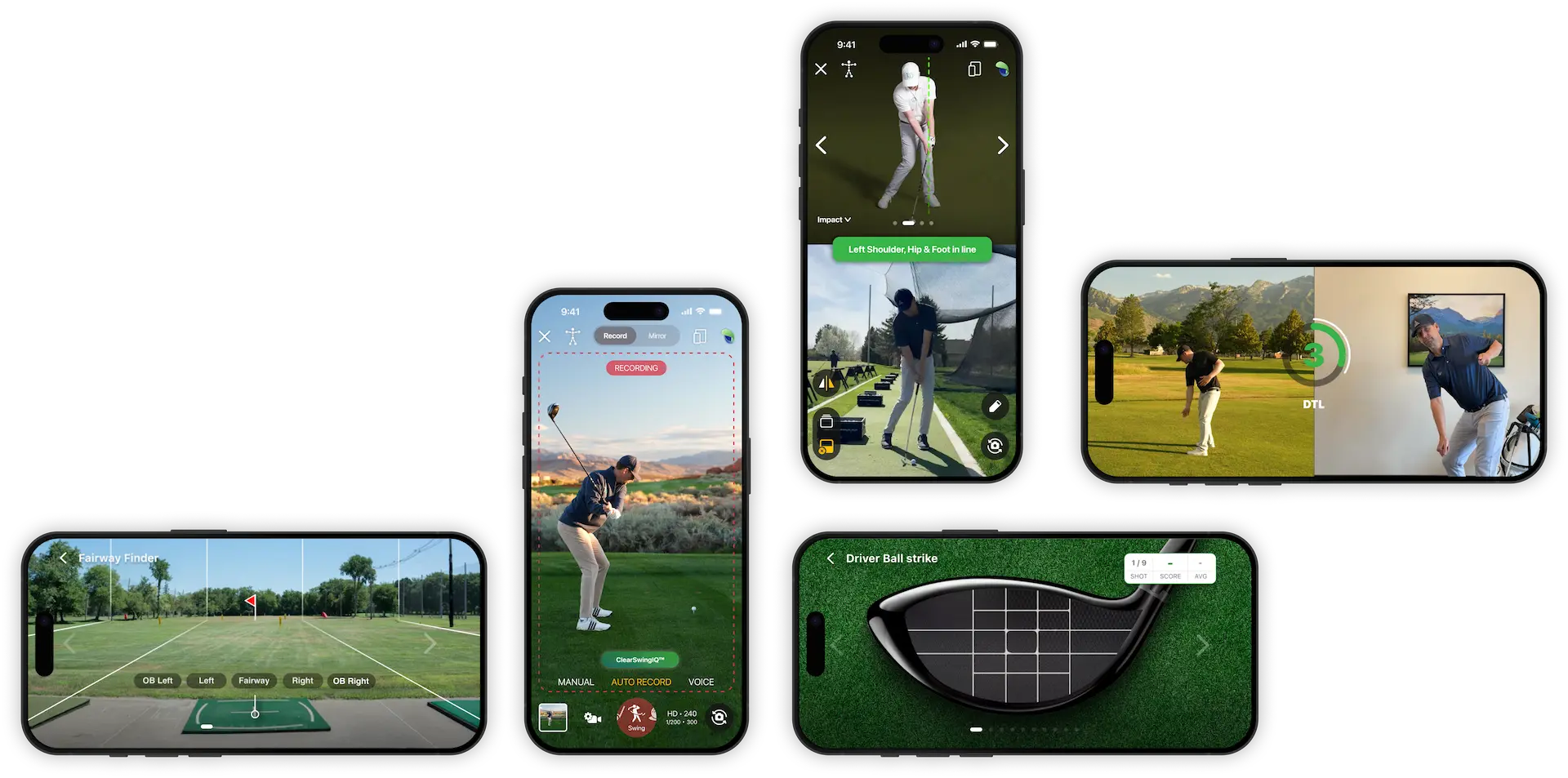
The Iron Ball Striking Game in the HandyGolf app gives your range session a clear purpose: record where you strike the ball on the clubface, compare it with the result, and look for patterns you can improve.
Instead of hitting ball after ball with no consequence, you get feedback on every shot.
What the Game Helps You Track
When you use the Iron Ball Striking Game, focus on two key pieces of feedback:
- Strike location: heel, toe, center, high, or low on the clubface
- Shot result: especially carry distance and whether the ball finished short, long, left, or right
Over several shots, this helps you answer an important question:
Am I actually striking my irons out of the middle, or am I assuming I am?
Many golfers are surprised to find a clear pattern, such as repeated heel strikes or toe strikes.
Example: How Strike Location Affects Distance
In the video example, a 7 iron was used with a target carry distance of around 165 yards.
Several shots were struck toward the heel of the clubface. Those shots carried shorter than expected, with one poor heel strike carrying around 153–154 yards. Later, a strike closer to the center carried about 166 yards.
That is a difference of roughly 12 yards of carry distance from strike quality alone.
This difference can be even more noticeable with less forgiving irons, such as blades, because off-center strikes lose more energy.
How to Use the Iron Ball Striking Game
1. Choose an iron and set a target
Pick one club to start with. A 7 iron is a great choice because it is long enough to show distance changes but still manageable for most golfers.
Set a realistic target distance based on your normal carry yardage. For example:
- Club: 7 iron
- Target carry: 165 yards
2. Hit a small group of shots
Hit several shots without trying to judge the whole session from one swing. A group of 5–10 shots will give you a much clearer picture.
After each shot, note:
- Where the ball struck the face
- The carry distance
- The general ball flight or result
3. Look for a pattern
After a few shots, ask yourself:
- Am I missing mostly toward the heel?
- Am I missing mostly toward the toe?
- Are strikes high or low on the face?
- Do my worst strikes also lose the most distance?
If you see the same miss repeatedly, that is useful information. A pattern gives you something specific to work on.
4. Make a simple adjustment
If you are repeatedly striking the heel, you may need to feel as though you are striking the ball more toward the toe. If you are repeatedly striking the toe, you may need the opposite feel.
The goal is not to overthink your swing. The goal is to use feedback to improve your clubface awareness.
5. Keep recording your progress
The biggest benefit of the game is that it creates a record over time. You can compare sessions and see whether your strike pattern is improving.
This makes practice more motivating because every shot has a purpose.
What You Can Learn From Your Results
The Iron Ball Striking Game can help you make better practice and equipment decisions.
For example, if you regularly miss the center of the face and lose a lot of distance, you may want to consider:
- Practicing strike control more often
- Checking your setup and distance from the ball
- Testing a more forgiving iron model
- Working with a coach to understand why the pattern is happening
The feedback may show that your current irons are punishing your off-center strikes more than necessary.
Final Thought
The Iron Ball Striking Game is a simple but powerful way to make range practice more productive. By tracking where you strike the ball and how that affects carry distance, you can build better awareness, identify patterns, and make smarter improvements to your iron play.