
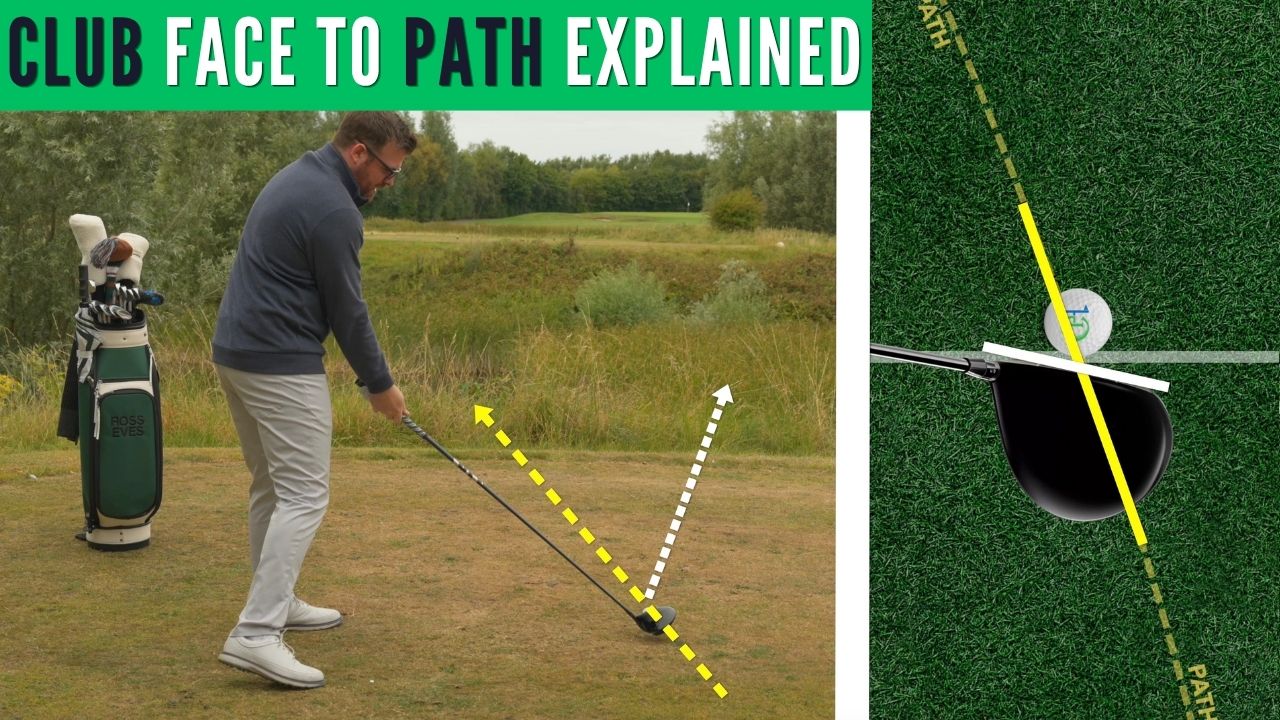
Club Face to Path: How It Controls Golf Ball Curve
Learn how square, open, and closed club face-to-path relationships create straight shots, slices, fades, draws, and hooks.
Learn how square, open, and closed club face-to-path relationships create straight shots, slices, fades, draws, and hooks.
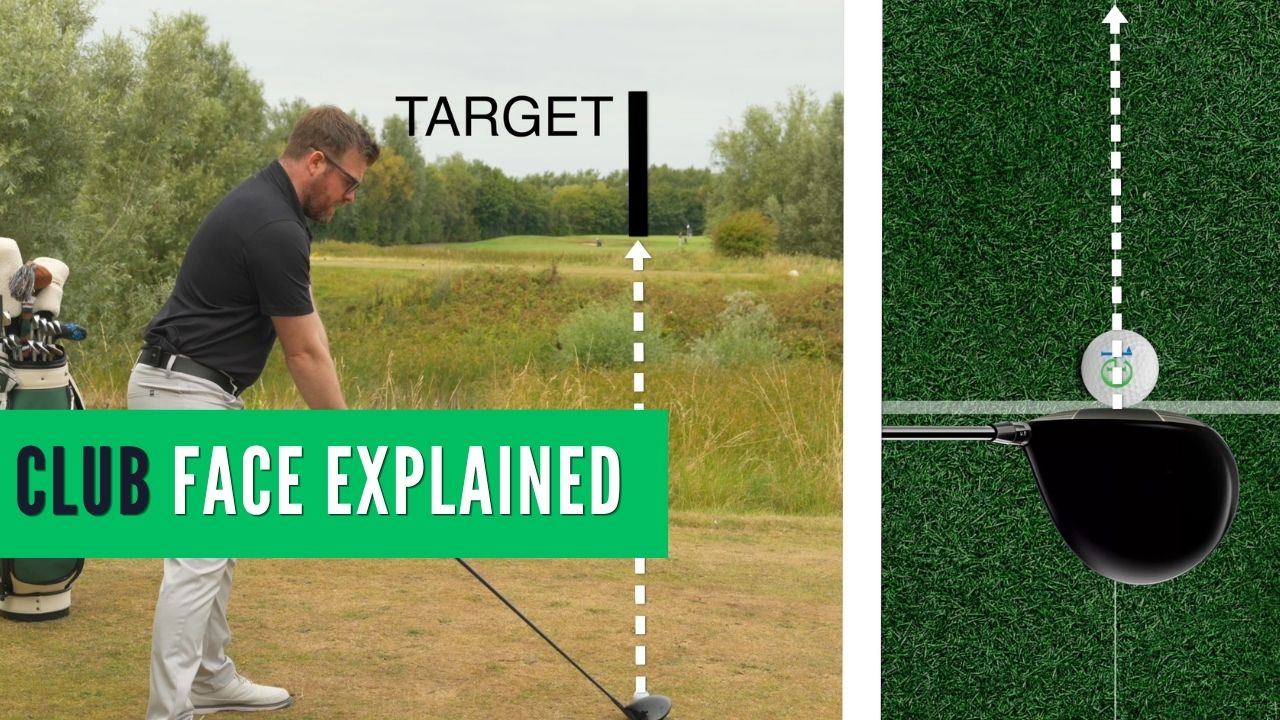
Learn how a square, open, or closed club face at impact affects the golf ball's initial start direction and why centered contact matters.
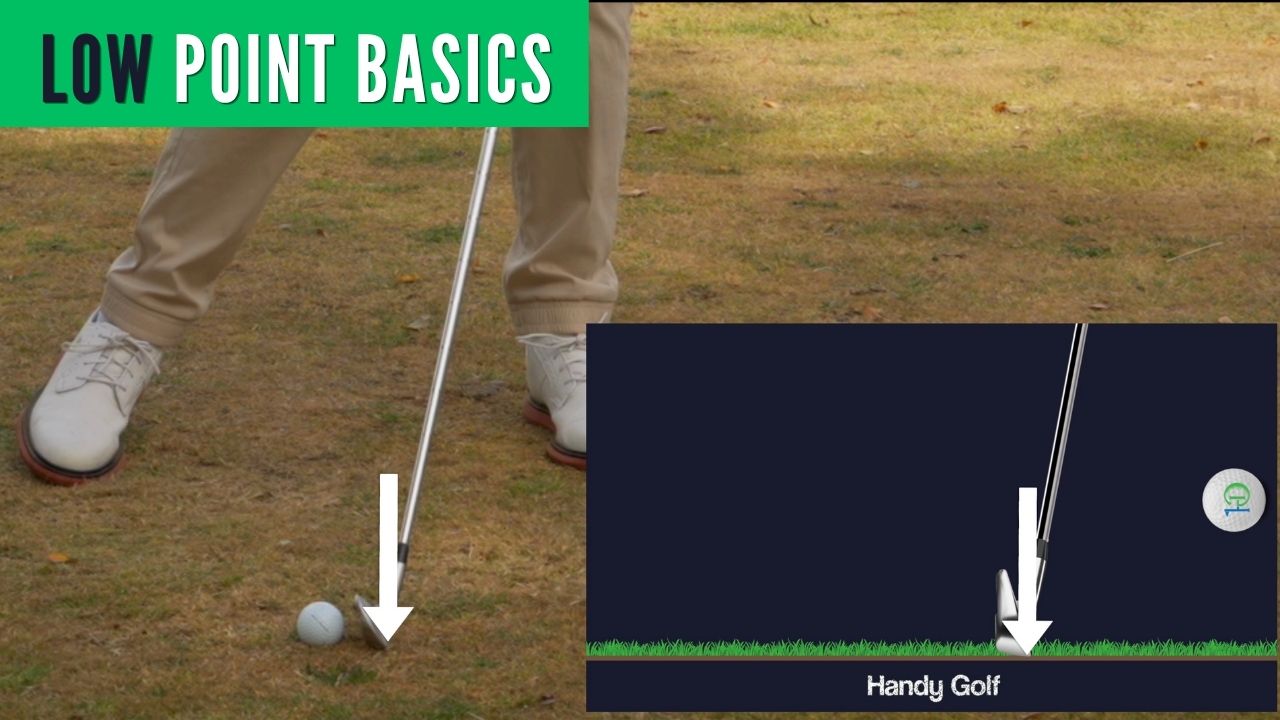
Learn what low point means, where it should be for irons and driver, and how controlling it can improve ball striking and distance.
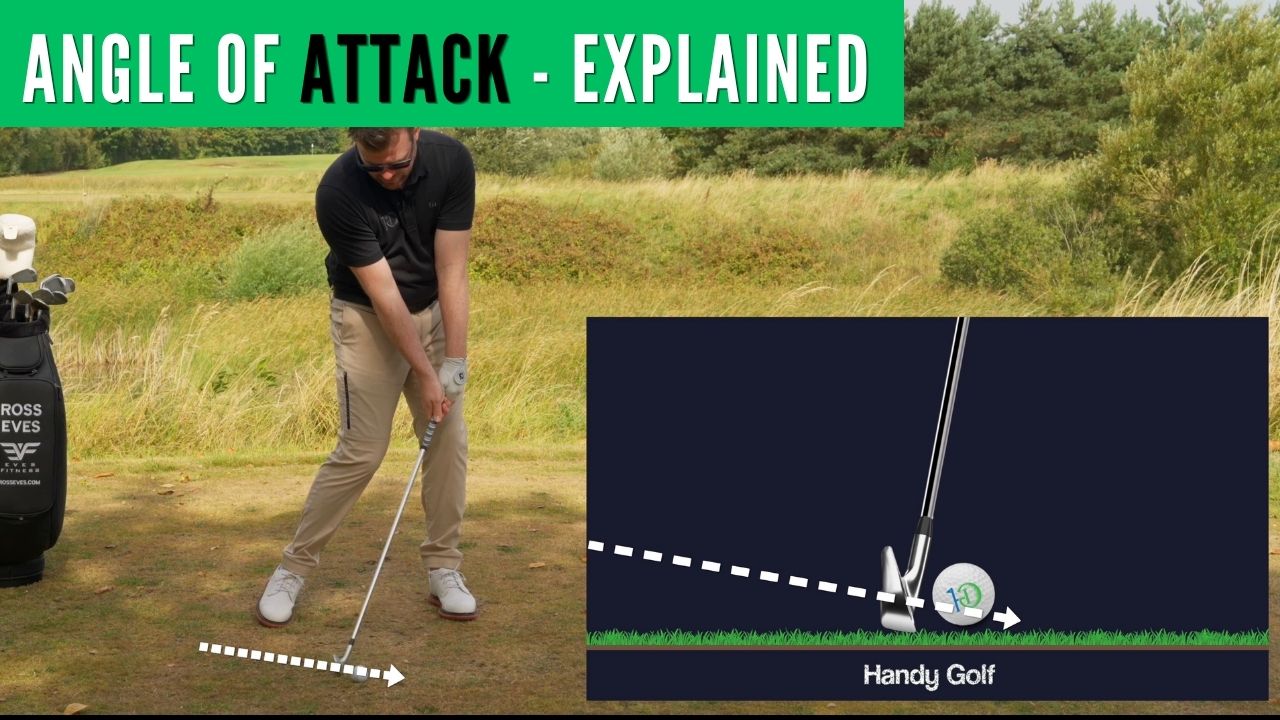
Learn what angle of attack means in golf and why irons work best with a downward strike while drivers usually perform best with an upward strike.
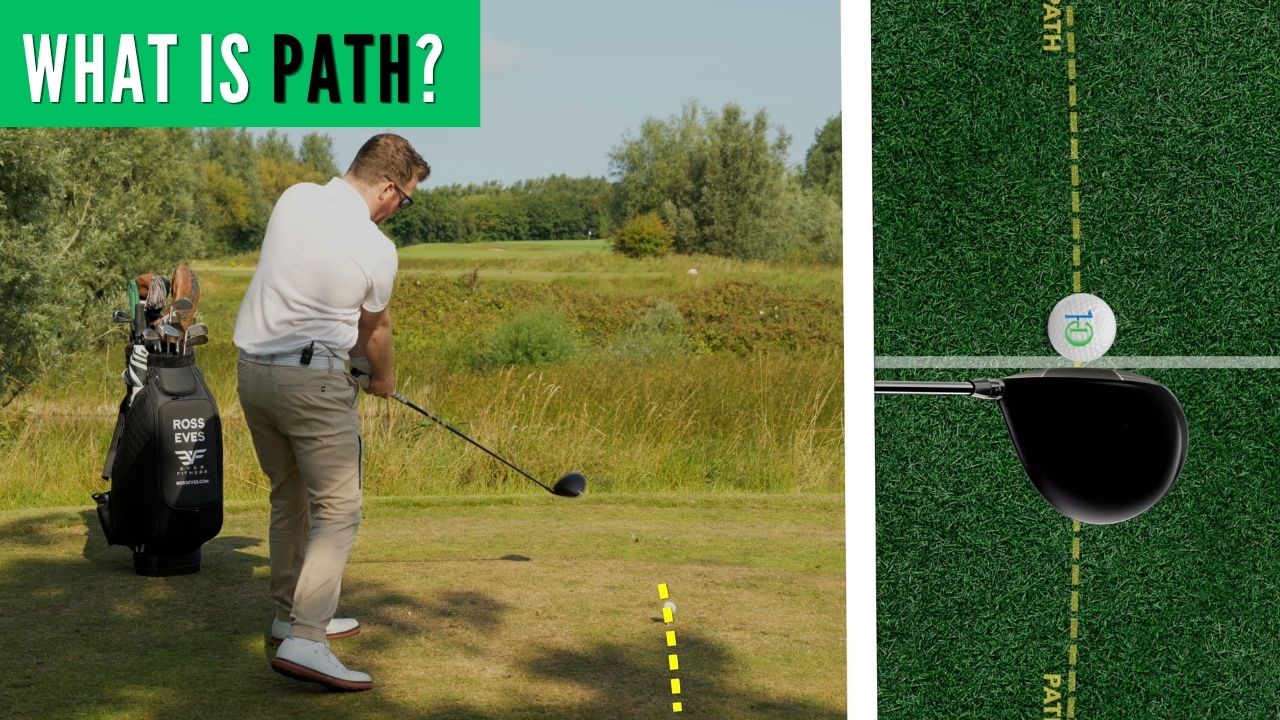
Learn what club path means, why it affects shot shape, and how neutral, out-to-in, and in-to-out paths influence slices, pulls, hooks, and pushes.
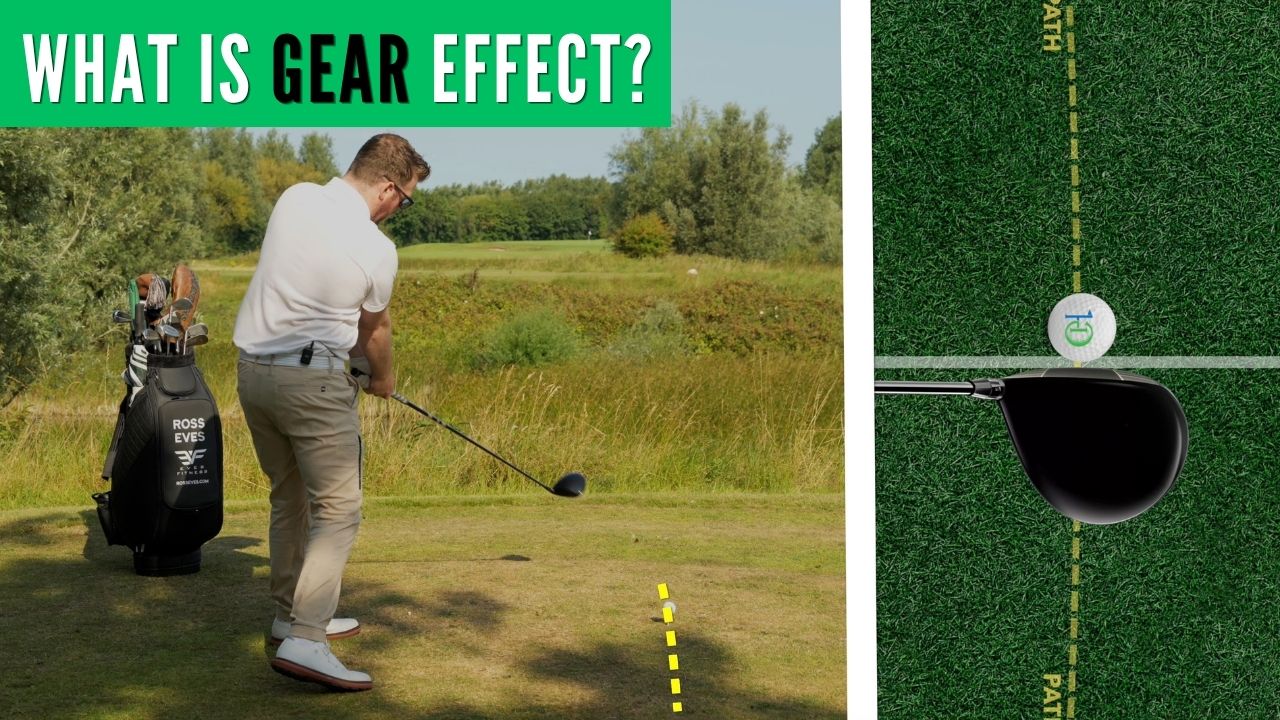
Learn how gear effect changes driver ball flight: heel strikes tend to add fade or slice spin, while toe strikes tend to add draw or hook spin.
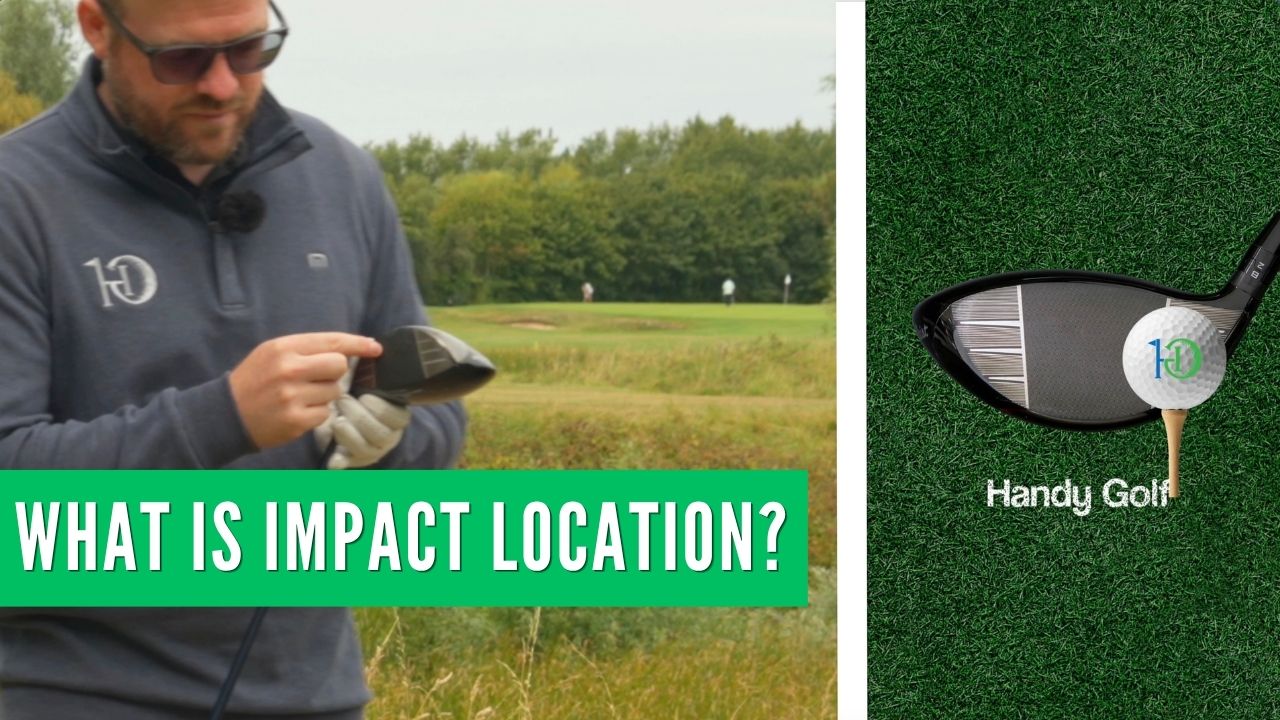
Learn the basic clubface strike locations—center, toe, heel, low, and high—and how they describe where the ball contacts the face.

Learn what impact plane means, why it matters for ball striking, and how to analyze in-to-out or out-to-in shaft movement in the HandyGolf app.
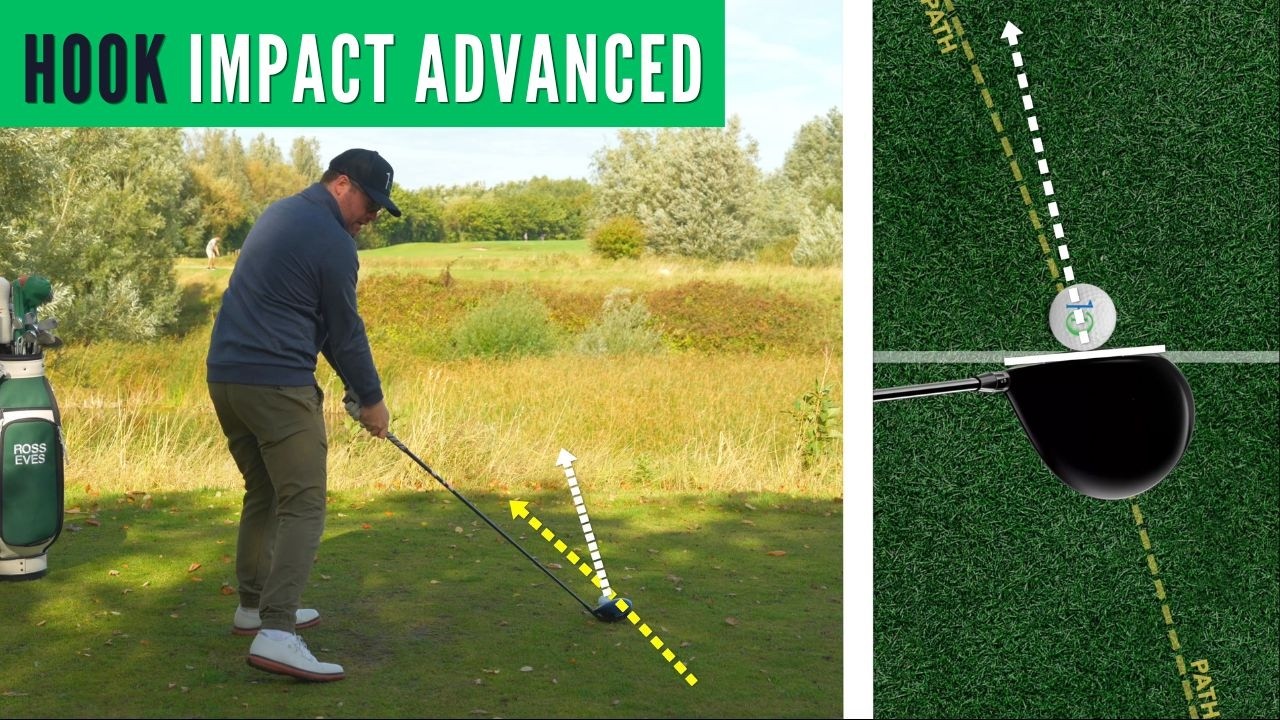
Learn why a hook starts straight then curves hard left, and how clubface-to-path and face-to-target relationships create hook spin.
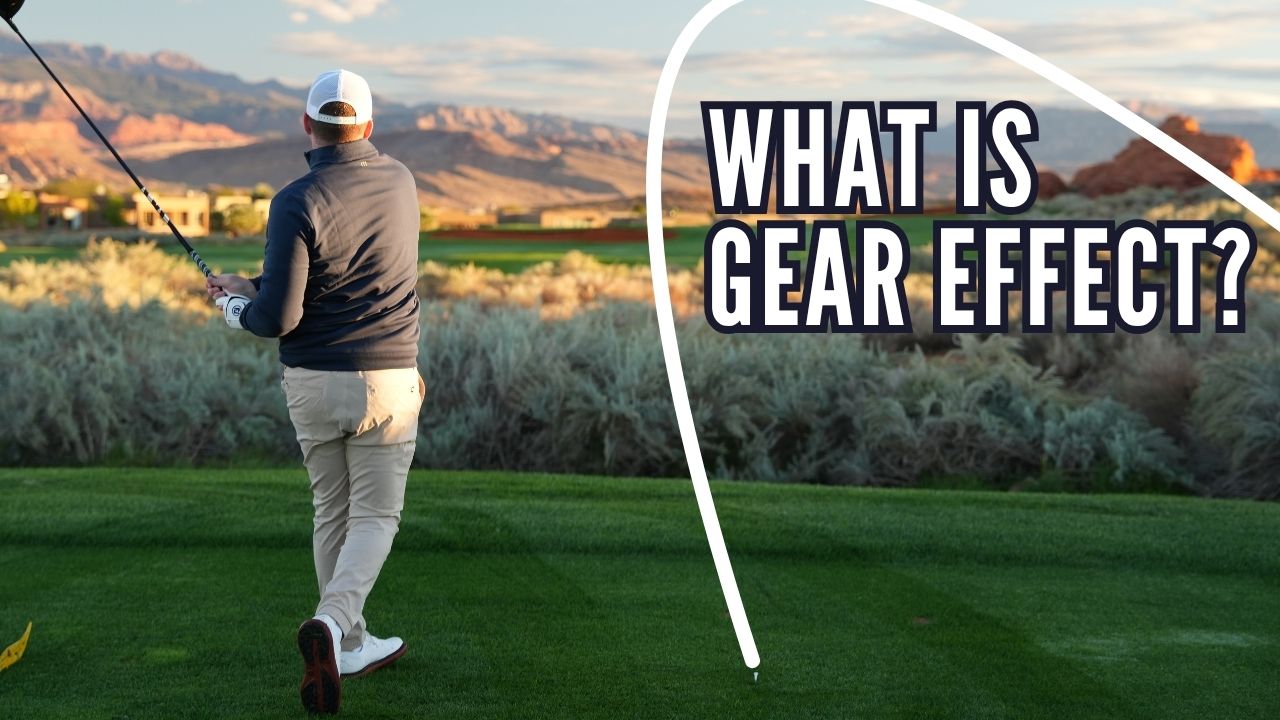
Learn how off-center driver strikes create gear effect, causing toe hooks, heel slices, and major distance loss compared with centered contact.

From swing analysis at the range to structured practice at home and performance tools on the course, Handy Golf helps you improve wherever you train.