
What Is Casting in the Golf Swing?
Casting happens when you start the downswing and release your wrist angle too early. Instead of maintaining your lag, the angle between your lead arm and the club begins to open up too soon.
This early release can make it harder to create speed, control the clubface, and deliver the club efficiently into impact.
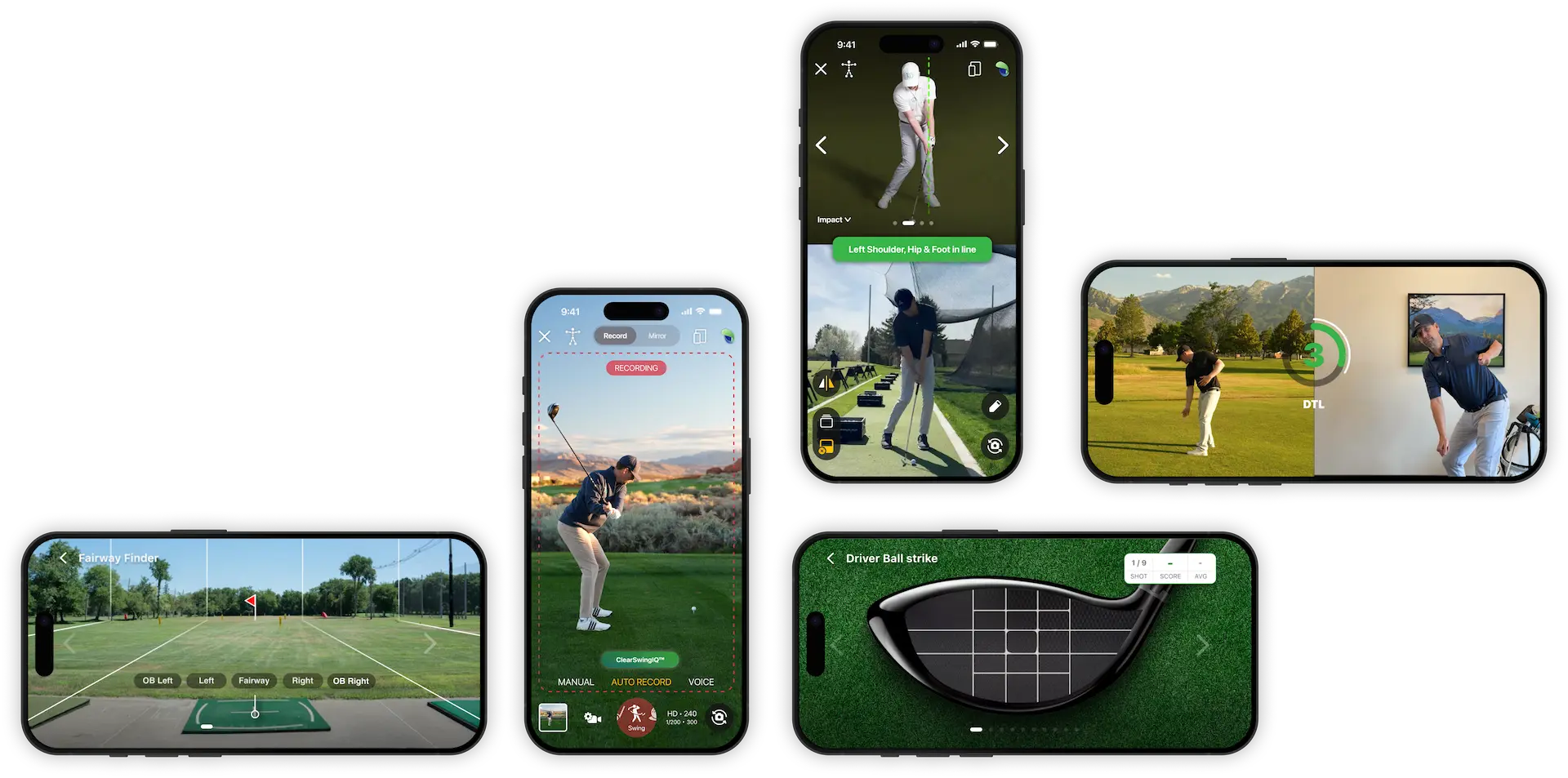
With the HandyGolf app, you can use video analysis and the angle tool to check whether you are casting during the downswing.
What to Look For
At the top of the backswing, many players will have a clear wrist set, often around 90 degrees depending on the camera angle and swing style.
As the downswing begins, you want to see that wrist angle largely maintained as the lead arm moves down toward parallel with the ground. If the angle opens noticeably before that point, it is a sign that the club is being released too early.
How to Analyze Casting in the Handy Golf App
1. Open the Swing Video
Load the swing you want to analyze in the HandyGolf app.
Use the scroll wheel to move the swing frame by frame.
2. Pause at the Top of the Backswing
Scroll to the top of the backswing and pause the video.
This is where you will take your first wrist angle measurement.
3. Use the Angle Tool
Select the angle tool in the app.
Draw an angle that measures the relationship between the lead arm and the club shaft. For example, you may see a wrist set of around 90 degrees at the top.
Make a note of this number, then clear the drawing.
4. Scroll Down to Lead Arm Parallel
Move the swing forward a few frames into the downswing.
A useful checkpoint is when the lead arm is roughly parallel to the ground.
5. Measure the Wrist Angle Again
Use the angle tool again at this downswing checkpoint.
Compare this measurement to the one you took at the top of the backswing.
How to Interpret the Results
If the wrist angle has opened significantly by the time the lead arm reaches parallel, the player is likely casting.
For example, if the angle was around 90 degrees at the top and has increased by about 20 degrees early in the downswing, that would indicate a loss of lag and an early release.
If the angle is maintained, or the player keeps the club loaded without the angle opening early, then the player is not casting. In some good swings, the lag may even be maintained or increased slightly during the first move down.
Key Checkpoint
A simple way to analyze casting is:
- Measure the wrist angle at the top of the backswing.
- Measure it again when the lead arm is parallel in the downswing.
- Look for whether the angle has opened too early.
The more the angle opens before lead arm parallel, the more likely the player is casting.
Summary
Casting is an early loss of wrist angle in the downswing. Using the Handy Golf app, you can identify it by measuring the wrist angle at the top of the backswing and comparing it to the same angle when the lead arm reaches parallel.
If the angle opens noticeably, the player is releasing the club too early. If the angle is maintained, the player is preserving lag and avoiding a cast.