
Why a Practice Plan Improves Your Golf Game
Having a routine when you practice is one of the simplest ways to improve your golf game. Many golfers go to the driving range or short game area with good intentions, but without a clear plan. They hit balls based on feel, move from club to club randomly, and often leave without knowing whether they actually improved.
A practice plan gives your session structure. It tells you what to work on, how long to work on it, and how to measure progress. Instead of simply whaling away at golf balls, you are practicing with purpose.
Practice Routine vs. Pre-Shot Routine
This is not about your pre-shot routine. A pre-shot routine is what you do before hitting an individual shot on the course.
A practice routine is the overall structure of your session. It answers questions like:
- How will I warm up?
- Which clubs or skills will I practice?
- How many balls will I hit for each drill?
- When will I use video or feedback?
- How will I add pressure or test myself?
Both routines are important, but this article focuses on building a better practice session.
Why Structure Matters
Too many golfers arrive at the range and simply do whatever feels right that day. One session might be mostly driver. Another might be random irons. Another might be short game with no target or scoring.
That type of practice can be enjoyable, but it is not always effective.
A structured practice plan helps you:
- Stay focused on what your game actually needs
- Avoid wasting time hitting random shots
- Create repeatable habits
- Track your progress over time
- Balance technique work with performance practice
- Build confidence through a clear process
Think of it like going to the gym. You would not normally walk in, choose random machines, and hope for the best. You would follow a workout plan. Golf practice works the same way.
A Simple Practice Plan Example
Your plan does not need to be complicated. Even a basic structure is better than no structure at all.
For example, a range session could look like this:
-
Warm up for 5 minutes
Start with light dynamic stretching and easy movement before hitting balls. -
Hit 10 wedge shots
Focus on rhythm, contact, and distance control. -
Hit 10 short-iron shots
Work on a specific technical thought or target pattern. -
Hit 10 long-iron or hybrid shots
Pay attention to strike quality and ball flight. -
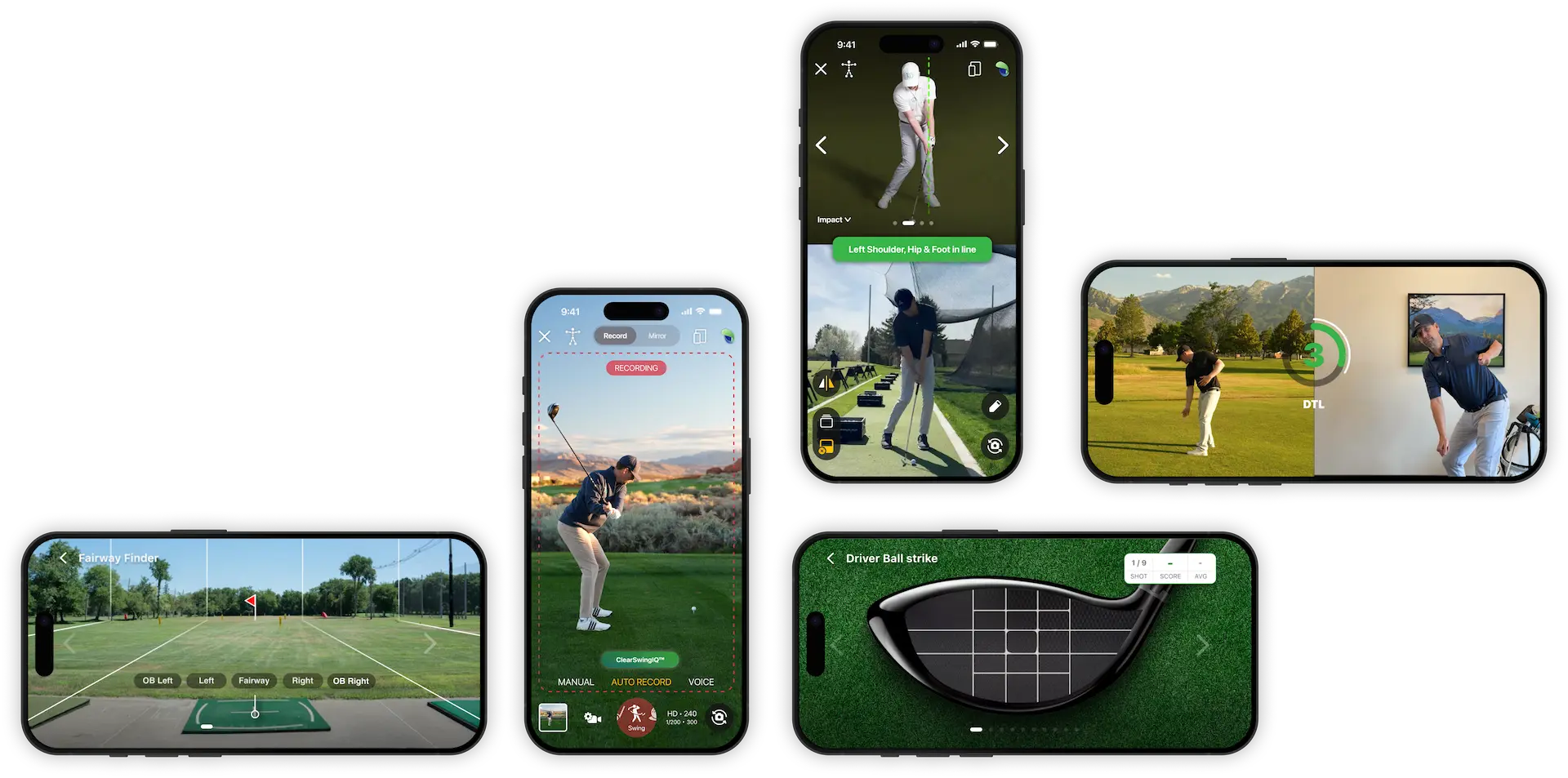
Use video feedback
Film your first swing, then wait until around your 20th swing before filming again. This helps you avoid checking every shot while still tracking changes. -
Add pressure practice
Finish with a game, target challenge, or scoring drill so you are not only working on technique.
Include Different Types of Practice
A good practice session often includes more than just hitting balls. You can divide your time into different categories:
- Technique practice: Working on a swing change or movement pattern
- Skill practice: Controlling start line, curve, trajectory, or distance
- Pressure practice: Using games, scoring, or consequences to simulate the course
- Feedback practice: Using video, mirrors, launch monitors, or alignment tools
For example, you might spend:
- 10 minutes on technique
- 10 minutes on a pressure game
- 10 minutes using mirror work or video feedback
The exact structure can change depending on your goals, but the key is having a plan before you start.
Make the Plan Fit Your Game
Your practice plan should reflect what you need to improve. If you struggle with wedges, give wedges more time. If your driving costs you shots, build a driving section into your plan. If you lose focus under pressure, add competitive games at the end of your session.
The plan does not have to be perfect. It just needs to give you direction.
Key Takeaway
If you want to improve, do not just turn up at the range and hit balls randomly. Create a routine for your practice. Warm up, choose what you are working on, use feedback at planned times, and finish with a challenge.
Structured practice helps you stay consistent, measure progress, and make better use of every session.