
Why Exaggeration Helps
When you are trying to change your golf swing, the new move often needs to feel much bigger than it actually looks. That is because your current swing pattern feels normal to you. If you only make a small adjustment, it may feel different, but on camera it can look almost the same as before.
Exaggerating the movement you want is a useful practice tool because it helps your body recognize the new position and build a clearer feel.
Example: Setting the Wrists
Imagine you are a golfer who does not set the wrists enough in the backswing. Your goal might be to get the club and wrists into a better set position.
To create that change, you may need to feel as if you are setting the wrists much more than necessary. In reality, when you make your normal swing, that exaggerated feel may simply move you closer to the correct position.
In other words:
- Your old move feels normal.
- The correct move may feel extreme.
- An exaggerated feel can help you reach the position you actually want.
How to Practice This
-
Identify the swing change you want to make.
For example, setting the wrists earlier or more fully in the backswing. -
Create an exaggerated version of that move.
Make the movement feel bigger than you think it should be. -
Make slow practice swings.
Focus on the feel of the exaggerated position rather than the ball flight at first. -
Return to your normal swing motion.
Try to keep some of the exaggerated feel while making a more natural swing. -
Check your swing on video.
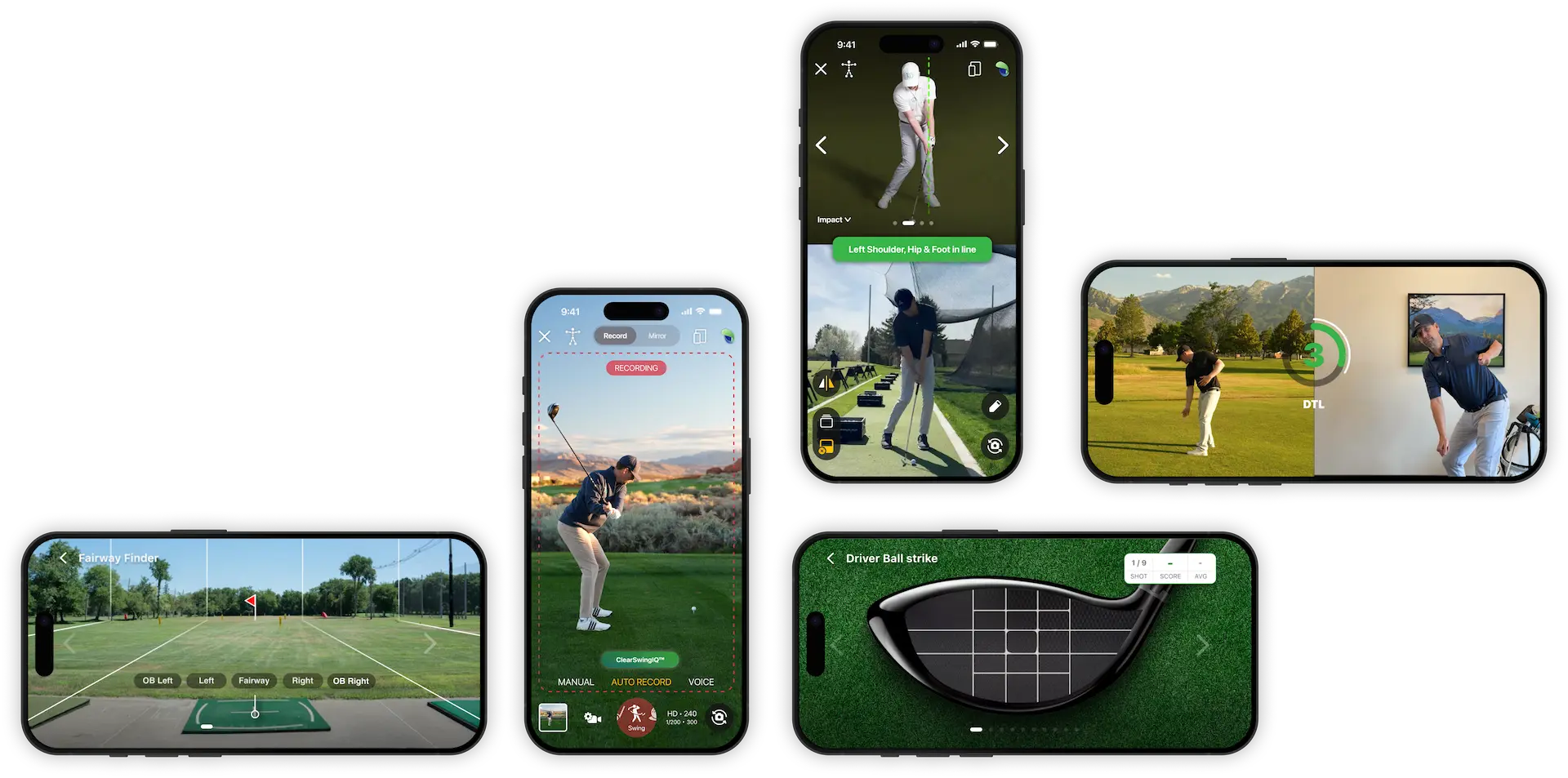
Use HandyGolf Auto Detect or another camera tool to see whether the exaggeration is producing the change you want.
Key Practice Thought
Sometimes you have to feel an extreme movement to create a moderate improvement. If the change feels too subtle, it may be too close to your old pattern to make a real difference.
Use exaggeration as a feedback tool: exaggerate, swing, record, review, and adjust.