
Stop Rushing Range Balls: Practice With Purpose
If you hit one range ball after another without watching where the shot finishes, you are not really practicing—you are just getting through a bucket.
Many golfers fall into what could be called machine-gun practice: ball down, swing, another ball, swing again. Fifty balls can disappear in 20 or 30 minutes, but there is very little learning happening because there is no time to reflect, adjust, or understand what caused each shot.
Why rushing range balls hurts your practice
Rapid-fire practice creates a few big problems:
- You miss valuable feedback. If you do not watch the ball land, you do not know what the shot actually did.
- You do not feel what your body or club did. When working on mechanics, you need time to notice whether the movement matched your intention.
- You make the same mistake repeatedly. Without a pause, you may simply groove the wrong pattern faster.
- It does not match real golf. On the course, you hit a shot, walk, choose a club, go through your routine, and then hit again several minutes later.
Golf is not played at rapid-fire speed, so it usually should not be practiced that way either.
Practice more like a tour player
Watch skilled players on the range and you will usually see a much slower, more methodical process. They are not trying to empty the basket as fast as possible. They are trying to make every ball useful.
A better range routine looks like this:
- Stand behind the ball. Pick a target and picture the shot you want to hit.
- Use your pre-shot routine. Walk in with purpose, just as you would on the course.
- Make rehearsal swings if needed. If you are working on a swing change, exaggerate the feel before hitting.
- Hit the shot. Commit to the ball and target.
- Watch the ball all the way. See the start line, curve, contact quality, and finish.
- Review the feel. Ask yourself whether the swing matched the move you were trying to make.
- Adjust before the next ball. If the move was not quite right, rehearse again or exaggerate the feel on the next shot.
This gives your brain and body time to connect the swing, the strike, and the ball flight.
Use feedback between shots
Good practice depends on feedback. That feedback can come from:
- Watching the full ball flight
- Noticing strike location and contact quality
- Paying attention to balance, rhythm, and body motion
- Using video to check whether your swing matched your intention
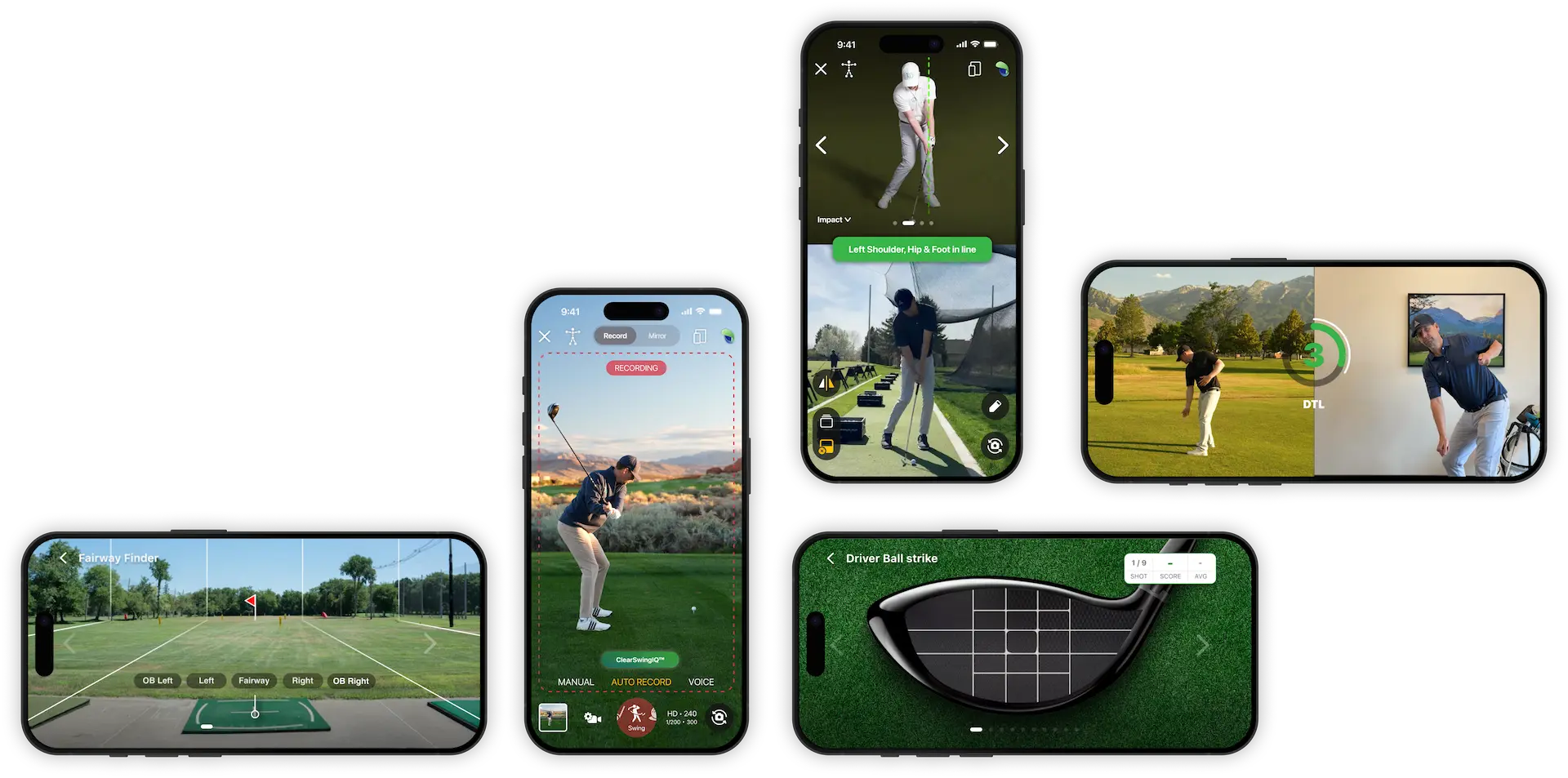
- Reviewing swings with tools such as the HandyGolf app’s auto-detect feature
The key is to pause long enough to actually learn from the previous shot before hitting the next one.
If you are short on time, hit fewer balls
If you only have a short practice window, do not rush through a full bucket just to finish it. Hit fewer balls with more intention.
A focused 20-ball session can be more valuable than a careless 70-ball session. Quality beats quantity when you are trying to improve.
Add a realistic pace to your practice
Golf is a slow-paced game. A round can take around four hours, and you rarely hit two full shots within a few seconds of each other. Build some of that rhythm into your range sessions.
Between shots, you can:
- Step back and reset
- Take a sip of water
- Check your swing video
- Think through the next target
- Rehearse the move you are training
- Play a pressure game, such as hitting a fairway or landing zone
The pause is not wasted time. It is where learning happens.
Key takeaway
Do not machine-gun your range balls. Slow down, know what you are trying to achieve, and stay aware of the feedback from every shot.
If you are working on mechanics, really feel the movement. If you are playing a target or pressure game, treat each ball like it matters. Practice with purpose, and each range ball will do more for your game.