
How to Practice Your Golf Swing in Slow Motion
Practicing your golf swing in slow motion is one of the best ways to make a swing change feel more natural. When a golf ball is in front of you, your body often reverts to old habits. Slowing the movement down gives you time to feel positions, improve awareness, and build better mechanics before adding speed.
Why Slow-Motion Practice Works
A golf swing happens quickly. At full speed, it can be difficult to notice where the club, hands, hips, or shoulders are during the motion. When you slow everything down, you can:
- Feel where your body is throughout the swing
- Notice unwanted movements or old tendencies
- Rehearse a new position with more control
- Build confidence before hitting balls
- Make technical changes without rushing
Think of it like learning a new exercise in the gym. You would not start with maximum weight right away. You would begin with a lighter load, learn the correct form, and then gradually add resistance. Slow-motion swing practice works the same way: start controlled, build the movement, then add speed.
Step-by-Step Slow-Motion Swing Practice
1. Choose one swing change to focus on
Do not try to fix everything at once. Pick one specific change, such as:
- Improving takeaway position
- Turning the shoulders more fully
- Keeping better posture
- Starting the downswing correctly
- Improving impact position
- Finishing in balance
A clear focus makes your practice more effective.
2. Make swings without a ball
Start by making slow practice swings with no ball. Removing the ball reduces the urge to hit and helps you concentrate on movement quality.
Move at a pace where you can feel every part of the swing. The goal is not distance or speed. The goal is awareness and control.
3. Use a mirror or camera feedback
Mirror practice is a great way to check whether the movement matches what you are trying to do. You can also use video or a swing analysis tool to review your positions.
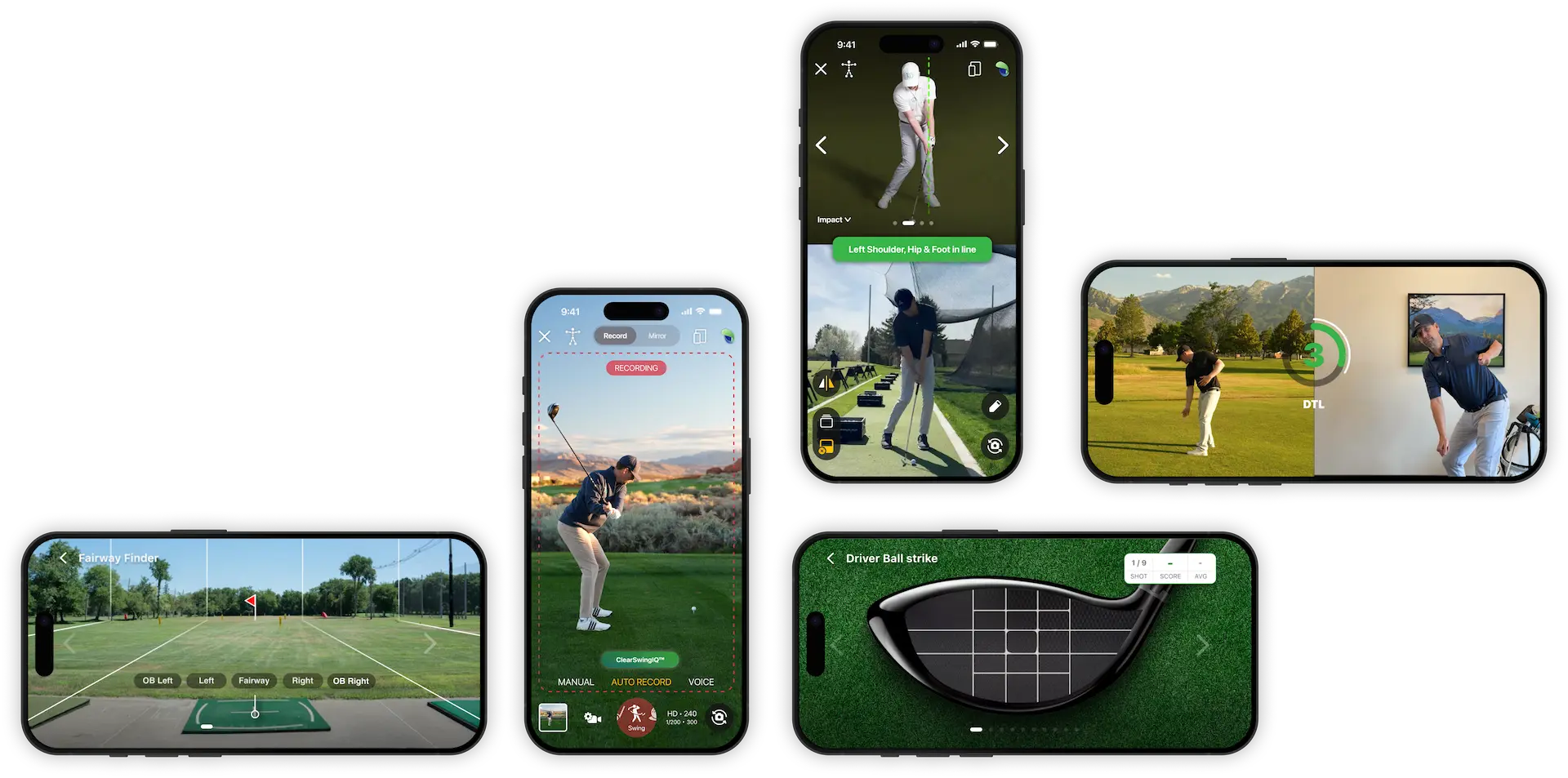
If you are using HandyGolf features such as mirror mode or auto detect, slow-motion swings can still help you see and track the changes you are making.
4. Rehearse the new feel slowly
Make several slow swings while paying attention to the position or movement you want to improve. Ask yourself:
- Can I feel the new movement clearly?
- Am I staying balanced?
- Does the club move where I expect it to?
- Do my body positions look correct in the mirror or on video?
The slower pace helps your brain and body connect the feel with the correct motion.
5. Hit balls in slow motion
Once the movement feels better without a ball, try hitting short shots at slow speed. The ball may not go far, and that is fine.
Focus on transferring the feel into a real strike. You might start with small shots, half swings, or very soft full swings. The purpose is to keep the new motion present even when a ball is involved.
6. Gradually add speed
After you can make the change slowly, begin increasing your tempo in stages:
- Very slow practice swings
- Slow swings with a ball
- Half-speed swings
- Three-quarter-speed swings
- Full-speed swings
If the old habit returns, slow back down and rehearse the movement again.
Common Mistakes to Avoid
Going too fast too soon
The biggest mistake is rushing back to full speed before the change is ingrained. If your swing falls apart, reduce the speed and rebuild the feel.
Practicing without feedback
What you feel and what is actually happening can be different. Use a mirror, video, or swing analysis tool to confirm that the movement is correct.
Trying to change too much at once
Slow-motion practice works best when you focus on one key movement. Keep the goal simple.
Judging practice only by ball flight
When learning a new move, contact and ball flight may be inconsistent at first. Use the ball as feedback, but do not abandon the process too quickly.
Practice Drill: Slow to Fast Swing Builder
Use this drill to move a swing change from rehearsal into your real golf swing.
- Make 5 very slow swings without a ball.
- Check your position in a mirror or on video.
- Make 5 slow swings while brushing the grass or mat.
- Hit 5 balls at slow speed.
- Hit 5 balls at half speed.
- Hit 5 balls at three-quarter speed.
- Finish with 5 normal swings, keeping the same feel.
If the movement starts to feel rushed or the old pattern returns, go back to slow swings.
Key Takeaway
Slow-motion practice is a simple but powerful way to build better swing habits. By removing speed at first, you can feel the correct positions, improve awareness, and make technical changes easier to repeat. Start without a ball, use feedback, hit slow shots, and gradually build up to your normal swing speed.