
Why Ball Flight Can Distract You During a Swing Change
When you are working on a golf swing change, it is natural to judge every shot by the ball flight. If the ball flies well, you feel like the change is working. If you top it, thin it, slice it, or hit a poor shot, you may feel like you are doing something wrong.
But during a swing change, ball flight is not always the best measure of progress.
You are asking your body to learn a new movement pattern. That can temporarily disrupt timing, contact, and consistency. Even great players can hit poor shots when they are changing technique.
A well-known example involves Butch Harmon working with Rickie Fowler. After Fowler began changing his takeaway, he reportedly started topping and thinning shots in practice. That does not mean the change was wrong. It simply shows that the body often needs time to reorganize around a new movement.
The Key Practice Mindset
When making a swing change, your first goal should be:
Did I perform the movement I intended to perform?
Not:
Where did the ball go?
This mindset helps you stay committed to the change long enough for it to become more natural. If you react to every poor ball flight, you may abandon the new move too early or start making compensations.
Practice Without Prioritizing Ball Flight
To make this easier, remove or reduce your ability to see the outcome of the shot.
Try these options:
-
Hit into a net
Practicing into a net helps you focus on the movement instead of the result. -
Turn off the simulator screen
If you practice in a simulator, switch off the ball flight display or avoid looking at the shot data for part of the session. -
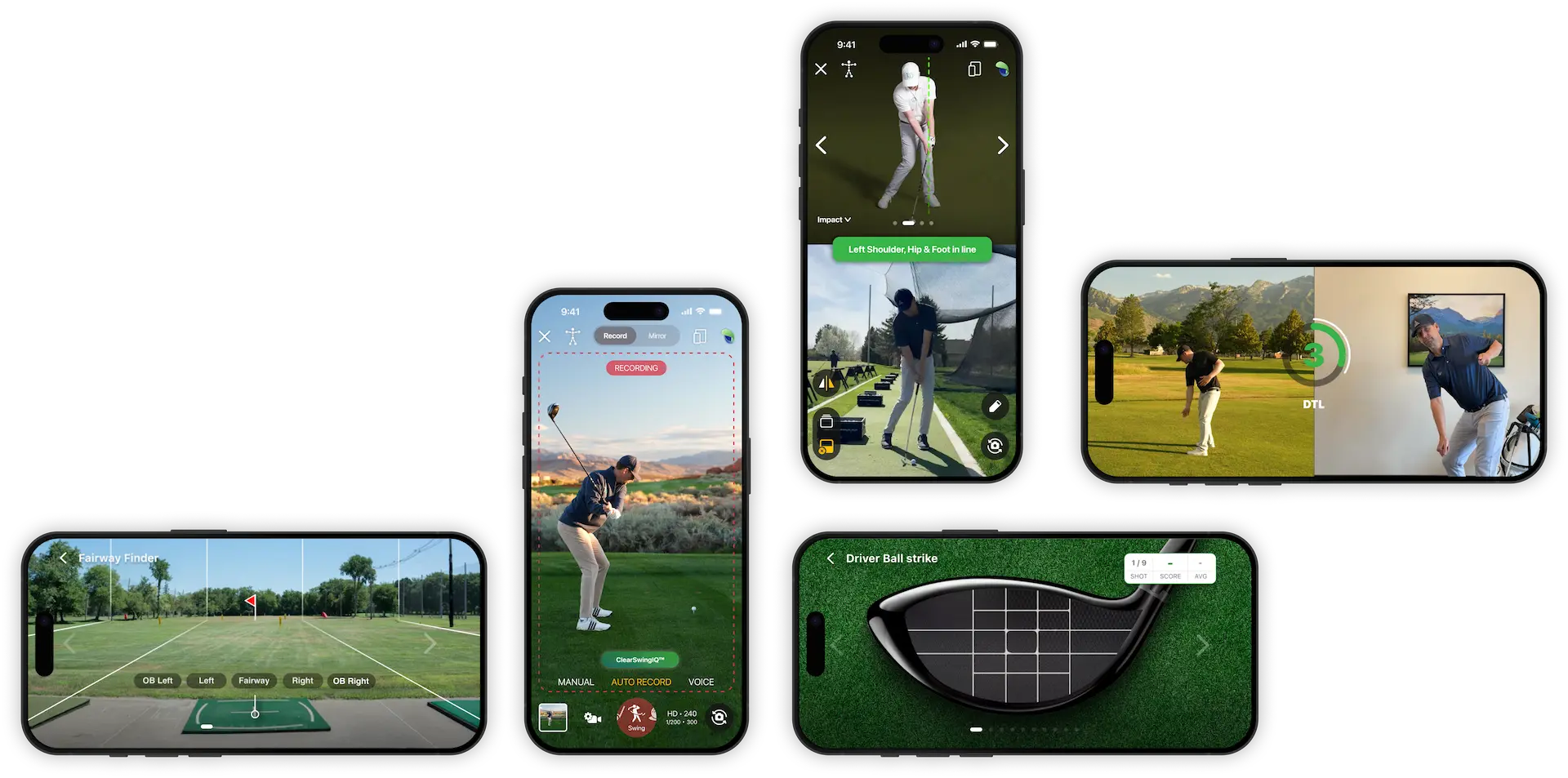
Use video feedback
Record your swing and check whether you achieved the technical goal you were working on. -
Use swing recorder auto-detect tools
A swing recorder with auto-detect lets you shift your attention from the ball flight to what your body and club are actually doing.
Make Technique the Outcome
Instead of measuring success by distance, direction, or contact, set one technical goal for the session.
For example:
- Improve your takeaway position
- Change your backswing shape
- Work on your impact position
- Improve your hip turn
- Keep the clubface more stable
Then review your swing and ask:
Did I achieve the position or movement I was trying to train?
That becomes the real outcome of the practice session.
Why This Works
Practicing without obsessing over ball flight helps you:
- Stay patient during swing changes
- Avoid reacting to every bad shot
- Learn new movement patterns faster
- Focus on cause instead of effect
- Build trust in the process
Poor shots during a swing change are normal. Your body may need time to coordinate the new movement with timing, low point, face control, and strike.
Final Thought
It may feel counterintuitive, but ignoring ball flight for a period of practice can be one of the best ways to improve your swing. Use a net, turn off the simulator screen, or rely on swing recording tools to keep your attention on the movement you are trying to build.
When your technique becomes more consistent, the ball flight will have a much better chance of improving too.