
How to Practice Golf With Consequences
One of the biggest reasons practice does not always transfer to the golf course is simple: there is no consequence.
On the range, you can hit ball after ball with very little pressure. But on the course, every shot has meaning. You have a fairway to hit, a score to protect, and a result to accept. If your practice never includes pressure, it can feel very different when you step onto the first tee.
Adding consequence to your practice helps bridge that gap. It makes your sessions more realistic, more focused, and more effective.
Why Consequence Matters in Golf Practice
When there is no consequence in practice, it is easy to become casual. You might hit shots without a clear target, roll putts without keeping score, or repeat swings without testing whether they actually work under pressure.
Then, when you get onto the course, the pressure suddenly appears:
- You need to hit the fairway.
- You need to avoid a penalty area.
- You need to hole a six-foot putt.
- You need to post a score.
If you have not practiced with any pressure, those moments can feel overwhelming. Practicing with consequence helps you become comfortable performing when the result matters.
Use Range Games to Add Pressure
A great way to add consequence on the driving range is to turn your practice into a game.
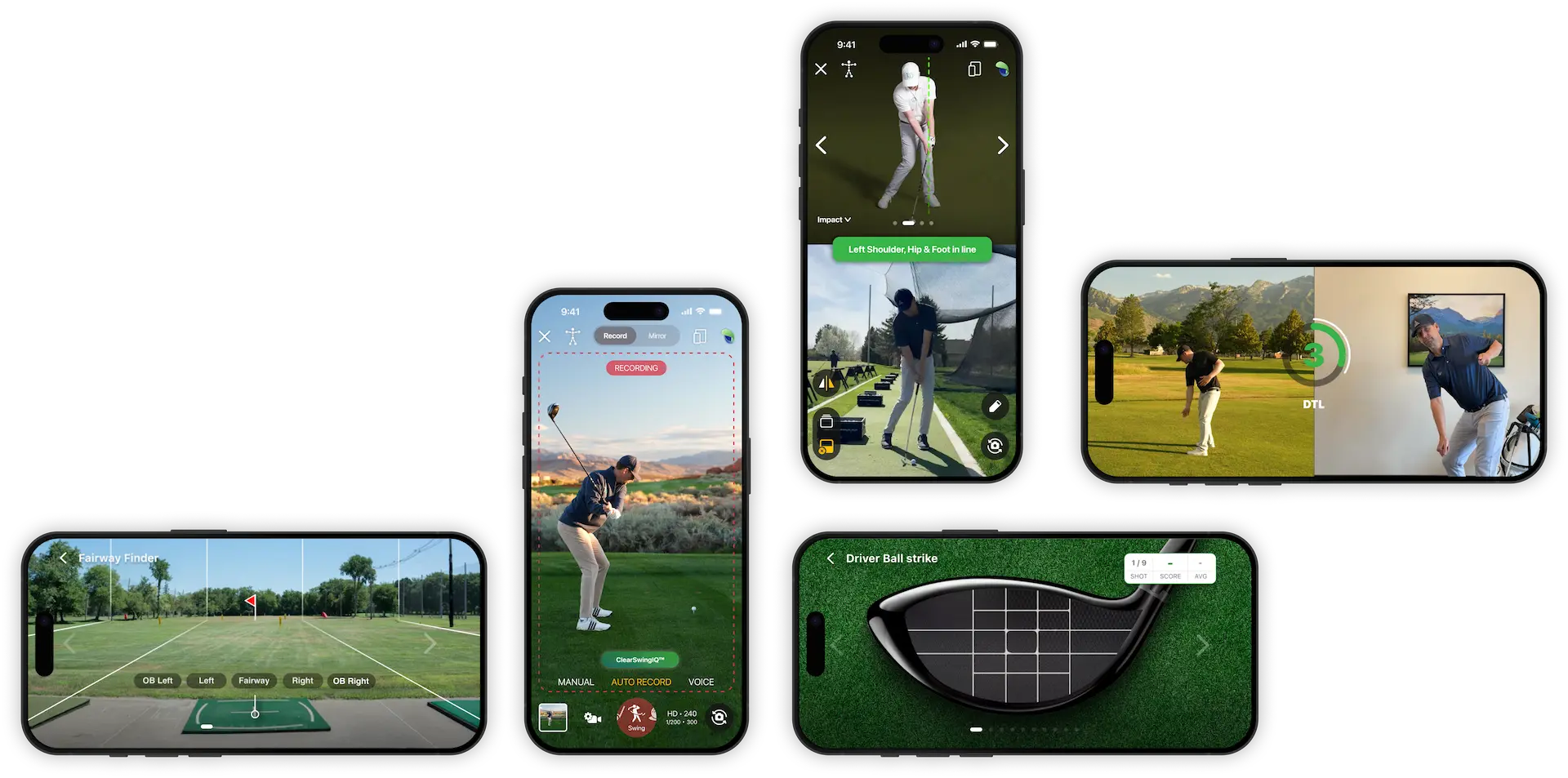
For example, use a Fairway Finder style game. Instead of simply hitting drives into an open range, define a fairway between two targets. Then keep score based on whether your ball finishes inside that fairway.
This creates a more realistic challenge. Now, when you stand over the ball, you are not just swinging freely into space. You have a target, a boundary, and a result.
That is much closer to what you experience on the golf course.
Add Consequence to Short Game Practice
The same idea applies around the greens. Short game and putting practice become much more valuable when you create a scoring system.
One simple example is a putting circle drill:
- Place several balls in a circle around the hole, such as from six feet.
- Putt each ball once.
- Keep track of how many you hole.
- Repeat the drill and try to beat your score.
Now that six-foot putt has meaning. You are not just rolling putts casually. You are creating pressure, measuring performance, and learning to handle the feeling of needing to make the putt.
Practice Like You Play
The goal is not to make every practice session stressful. The goal is to make practice more like golf.
Good players often train this way. They create challenges, keep score, and put themselves under pressure before they get to the course. That way, when they face pressure during a round, it feels familiar.
Many amateurs do the opposite. They practice with no consequence, then feel uncomfortable when every shot suddenly matters on the course.
How the Handy Golf App Can Help
The Handy Golf app was built to help golfers add consequence to practice through games and challenges. These games give you targets, scoring, and pressure so your practice feels more like real golf.
Whether you are working on driving, approach play, short game, or putting, structured games can help you:
- Practice with purpose
- Simulate on-course pressure
- Track your performance
- Build confidence in key situations
- Improve your ability to score
Key Takeaway
If you want your practice to transfer to the golf course, add consequence.
Use targets. Keep score. Play games. Challenge yourself. The more you practice under realistic pressure, the more prepared you will feel when it matters on the course.